From Market Town to Manor House How Lincolnshire Weddings Settle Into the Evening
Message usLincolnshire wedding evenings rarely snap into life all at once. More often, they ease forward, shaped by where the day began and how guests have moved through it. A ceremony in a market town followed by an evening reception at a rural manor already builds in a sense of transition, and live music tends to follow that same unhurried arc.
Weddings that start in towns like Grantham, Sleaford or Stamford often carry a structured feel into the early evening. Guests arrive with a clear sense of schedule, shaped by civic buildings, churches or town centre venues. When the celebration moves on to a manor house or estate, that structure doesn’t disappear immediately. Bands usually open with music that sits comfortably alongside conversation, recognising that guests are still orientating themselves to a new space.
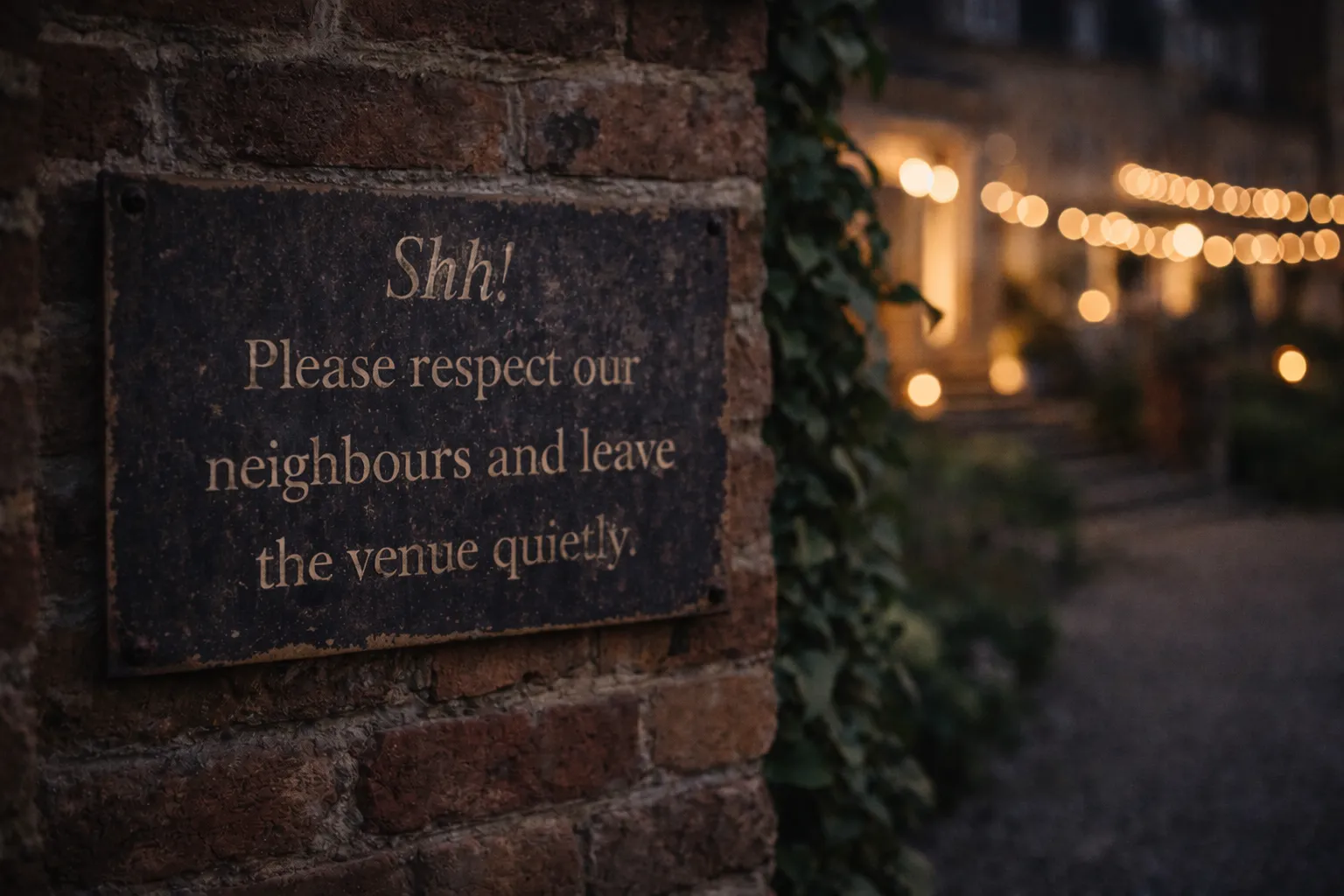
At manor houses and rural estates, the evening unfolds differently. Once guests are on site, there’s little reason to rush. Accommodation is often nearby or integrated into the venue itself, and travel concerns fade into the background. This allows bands to build the night gradually, letting energy accumulate rather than forcing it early. Dancing tends to arrive as a collective decision rather thana cue, with the room filling steadily rather than all at once.
Food plays a significant role in this pacing. Lincolnshire weddings are often generous with time around dinner, particularly when local produce and long-serving meals are involved. Speeches may stretch, courses may linger, and guests are rarely eager to abandon the table quickly. Bands familiar with these settings allow for that, using the first set to bridge the gap between dining and dancing rather than treating it as a restart.
The physical layout of manor houses also shapes how the evening settles. Multiple rooms, long corridors and outdoor spaces mean guests spread naturally before regrouping. Live music acts as a focal point, drawing people back together overtime rather than demanding immediate attention. Bands often time stronger sets for the moment when the room finally consolidates.
Market town origins still leave their mark late into the evening. There’s often a broad age range present, with family connections rooted in the area. Music choices tend to reflect that, favouring familiarity and shared reference points. This isn’t about playing safe, but about recognising that certain songs help unify a room that has arrived from different social and geographic contexts.
What links these settings is patience. Lincolnshire weddings reward evenings that are allowed to find their own rhythm. Live music works best when it acknowledges the journey guests have already made, both literally and figuratively. From town centre ceremonies to countryside receptions, the most successful evenings are those that settle rather than surge, shaped by place as much as by planning.
More Articles View all+


What Lincolnshire’s Big Skies and Open Landscapes Change About Live Wedding Music

Why Food Comes First at Lincolnshire Weddings and Music Waits Its Turn